
How to Practice Somatic Intelligence
SOMATIC INTELLIGENCE

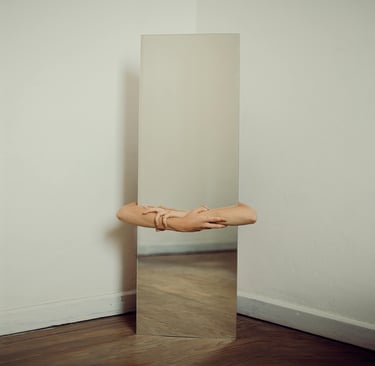
Overthinking, overanalyzing, over performing. In this age of AI our heads have become our main operating system. Stress, burnout & overwhelm shape our everyday reality. Somatic intelligence - developing body awareness - can help us to regulate & feel more balanced.
In this blog we explain the nature of somatic intelligence and offer a grounded, evidence-based approach how to best practice.
Photography by Carolina Basi
What is Somatic Intelligence?
The term somatic comes from the greek word soma, meaning body. Our somatic intelligence is our ability to sense, listen and interpret the language of the body. The body speaks in inaudible signs like posture, the way you move, tension or pain. These signs can point to either stress or safety.
To practice somatic intelligence means not only to be aware and acknowledge our physical sensations (body awareness), but also understand their significance in shaping our emotional landscape and then appropriately responding to them. When we listen deeply to our body signals they become vital cues for self-regulation and personal growth.
Somatic Intelligence and the Prefrontal Cortex
Naming our physical experiences - giving words to what we feel - is a vital part of somatic intelligence. Without this, sensations and emotions whirl around, leaving us fragmented and confused. By mentalizing we give the silent signals a voice, bringing them into consciousness. This is the first step towards integration.
This organizing & integrating is done by our prefrontal cortex, which enables all systems (social, somatic, brainstem, limbic, cortical) to function in harmony. Linda Graham, expert of the neuroscience of human relationships calls our prefrontal cortex the CEO of resilience. It provides us with the ability to emotionally regulate and process challenges and emotional hardships.

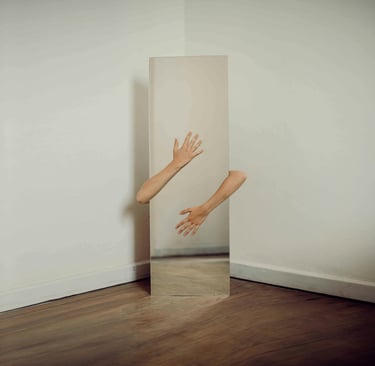
How to practice Somatic Intelligence
Learning to read & regulate your own body’s signals takes practice. Every gesture, posture and sensation carries a meaning. Tight shoulders, shallow breathing, a tight chest or clenched jaws might signal anxiety or stress. A restless leg might reflect unspoken tension.
Our unresolved emotional and/or stress patterns are often stored deep in the body. But if we start to listen, we can understand & co-regulate ourselves more and more. Before we can drop our shoulders & unclench our jaws, we need te become aware.
Best Practices
These are some of the best practices to train your body awareness and somatic intelligence:
Body Scanning
A mindfulness technique that involves systematically focusing attention on different parts of the body, from head to toe.Conscious Breathing
Paying attention to your breath, helping you to be more aware of bodily sensations. The breath is also a great tool in calming and regulating our nervous system.Movement Practices
Any kind of movement / regular physical exercise can strengthen your connection to your body. Especially suited are forms of movement that focus on the union of body & breath (like yoga, qigong, conscious dance, martial arts, etc).
Guided Visualization
The images & scenarios used in guided visualizations can evoke strong emotion and/or physical sensations. This can provide us with valuable insight in our emotional state and how these emotions show up in our body.Massage & Bodywork
Massage & conscious forms of bodywork are wonderful tools to practice awareness & grow somatic intelligence. A massage therapist or bodyworker can invite the recipient to be curious to everything that arises & verbalize it. They can also assist & support the process further by focusing on the breath, encouraging movement and using visualization.
By Noëlle ter Braak
2026 / February 13
This article is based in part on insights from the field of somatic psychology. If you want to dive deeper: this article on Psychology Fanatic provides a clear overview of the scientific framework.
Contact
info@crow-bodywork.eu
KvK: 97073709
Btw-id: NL0052 4947 9B67
Stay Connected

© 2026 CROW Bodywork
Schrijf je tekst hier...
Credits
Photography on this website is partly sourced via Pexels.
With gratitude to the photographers Anna Shvets and Angela Roma who made these images available.